Agree the trial objective first, supply representative packaging and product, observe the complete operating cycle, and record results against written criteria. Keep the tested configuration attached to the result.
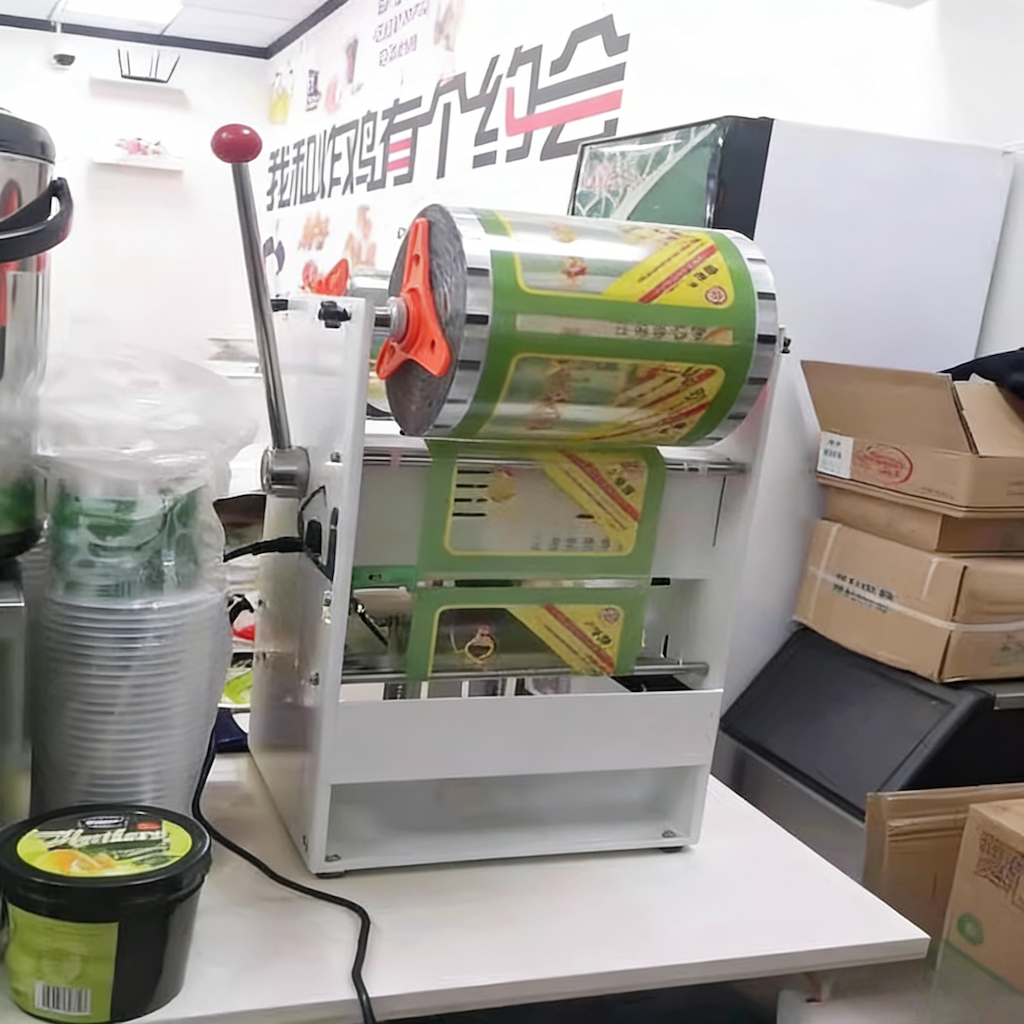
1. Write down what the trial must answer
Choose a small number of decisions the trial should settle. For a can seamer, that may be whether a supplied can and end can be run with the proposed tooling and inspected to the container supplier’s seam specification. For a tray sealer, it may be whether the chosen tray, film and filled product work together in the proposed mold and sealing process.
State the pack formats, expected operator arrangement and intended output before testing. “The machine ran” is not a useful acceptance criterion by itself.
2. Send representative samples, not only photos
Photos and drawings are useful for the first review, but real samples expose dimensions, rim variation and product-handling conditions. Send the same materials you expect to purchase or use in production, where practical. Identify sample revisions so a result is not mistakenly applied to a later tray, film, can or end.
| For can seaming | For tray sealing |
|---|---|
| Can bodies and matching ends, with drawings and material details | Trays and lidding film, with drawings and roll details |
| Representative filled cans and each planned size | Representative filled trays and each planned format |
| Can/end supplier seam specification and inspection plan | Agreed seal appearance, opening and other pack checks |
3. Watch the complete operating cycle
Observe loading, positioning, closing or sealing, pack removal and any format change. Count output over a stated period using the actual pack and staffing pattern rather than extrapolating from an empty-machine speed. Note where product reaches a sealing surface, where an operator intervenes and how a rejected pack is handled.
If the proposed machine includes optional feeding, vacuum, gas flushing or automatic discharge, test and record those functions separately. A trial of the base unit does not prove an untested option.
4. Keep a record tied to the offered machine
Record the machine and tooling configuration, sample identification, settings, operator count, utilities, run duration, observed output, inspection method, accepted packs and unresolved issues. Ask which adjustments or change parts would be needed for other pack formats.
Use that record to compare the final quotation. For a US or Canadian installation, also verify the offered electrical configuration and documents against the destination requirements. A sample result from one configuration should not be silently carried over to another.
5. Use a short trial record before approving a configuration
Use one row for each pack format and keep an unresolved item open rather than marking it as a pass. The fields below are a template, not results from a completed Deepack test.
| Record field | What to write down |
|---|---|
| Pack ID | Can/end or tray/film supplier, drawing revision and supplied sample quantity. |
| Machine setup | Quoted machine, tooling or mold ID, utilities and relevant settings. |
| Run conditions | Product fill, operator count, run duration and format changes. |
| Acceptance check | Buyer-approved method and criteria, tested quantity, observations and rejected packs. |
| Decision | Accepted, rejected or open; action owner and the condition for retesting. |
Save this for your enquiry
Information to send before choosing a machine
- The decision each sample trial must answer and the written acceptance criteria
- Container and closure samples with drawings and revision identifiers
- Representative filled product and all intended pack formats
- Required output, operator count and changeover pattern
- Inspection method and applicable pack specification
- Options to test separately, including feeding, vacuum or gas flushing if requested
- Run record: configuration, settings, duration, observed output and rejects
- Open issues, required adjustments and final quotation scope
These details support a configuration review; they do not establish performance or compatibility until the proposed equipment and representative samples are checked together.
Continue your equipment review
Explore Deepack can sealing machines · How to Choose a Can Seamer for Your Container and Production Line
Need to discuss a specific pack? Contact Deepack or browse our current Alibaba listings.