Manual and operator-led
Review how the can and end are positioned, the cycle is started and the finished pack is removed. Ask for a demonstration with your filled can and matching end.
Plan the operator workflow →Customize your equipment around your production requirements.
Start with the can and matching end. Then decide which steps an operator will handle and which steps the proposed machine must perform. A machine described as automatic does not necessarily include can feeding, end placement and discharge.
Review how the can and end are positioned, the cycle is started and the finished pack is removed. Ask for a demonstration with your filled can and matching end.
Plan the operator workflow →Confirm the actual can motion, matched tooling and changeover steps. The touchscreen equipment page shows a machine to discuss; its final configuration still depends on your package.
Review the touchscreen sealer →Specify how cans and ends arrive, what happens after sealing and which conveyors or feeders belong in the quotation. Confirm output using the intended container and staffing.
Prepare a sample trial →View Touchscreen Automatic Can Sealer
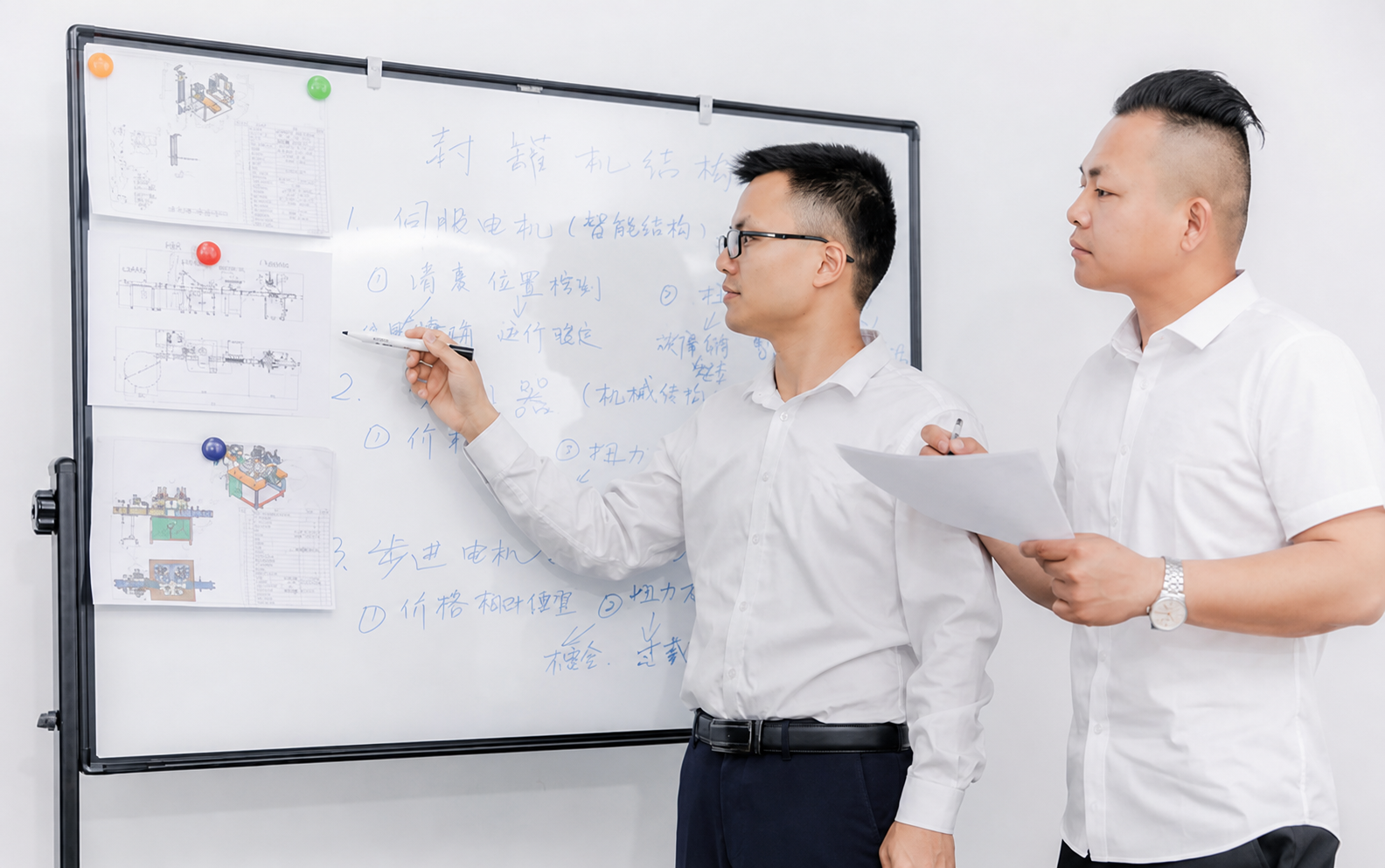
Share the product, container and production requirements before selecting a configuration.
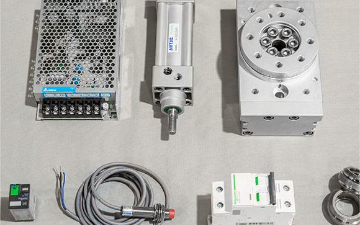
Select electrical components around compatibility, maintenance and your production requirements.
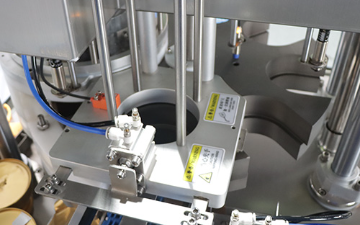
Match the seaming chuck, turntable and lid feeder to the diameter and height of your container.
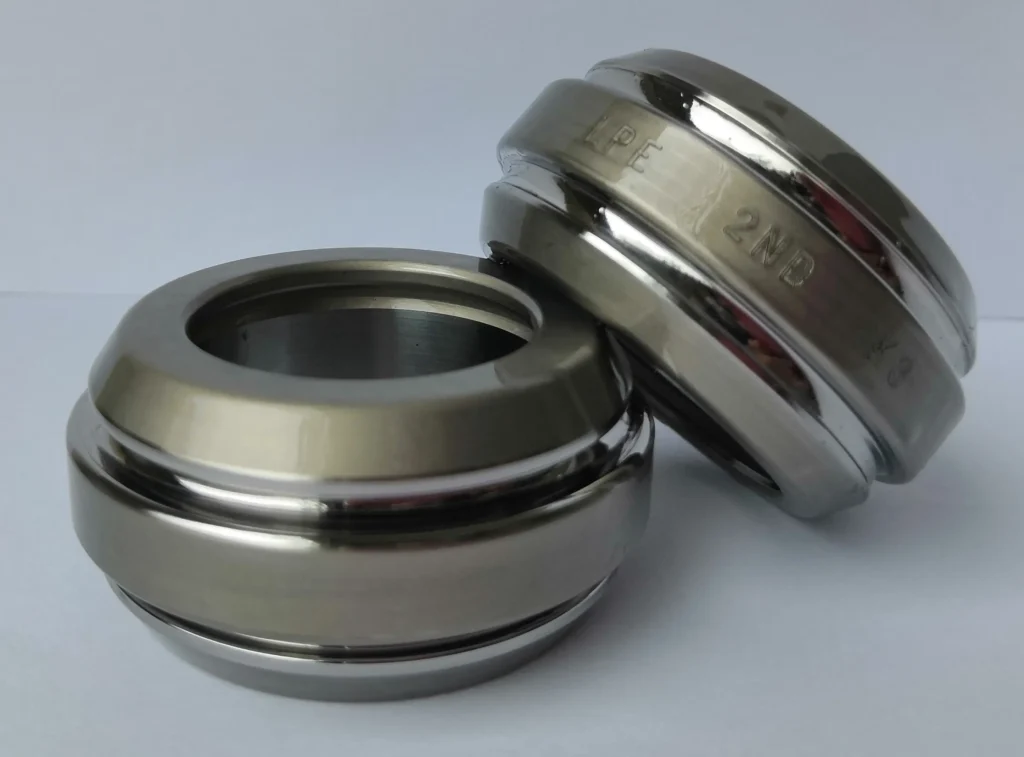
Review roller tooling for the packaging material, including tin, PET, aluminum and paper containers.
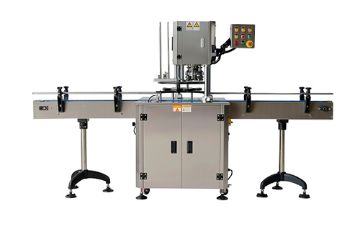
Review the machine footprint, conveyor direction and available factory space together.
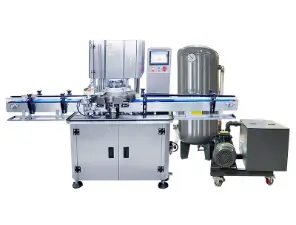
Negative-pressure sealing for round metal containers.
View More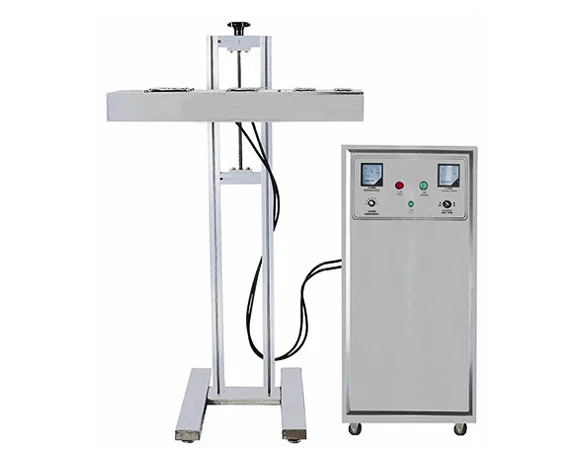
Induction sealing for foil-lined screw caps.
View More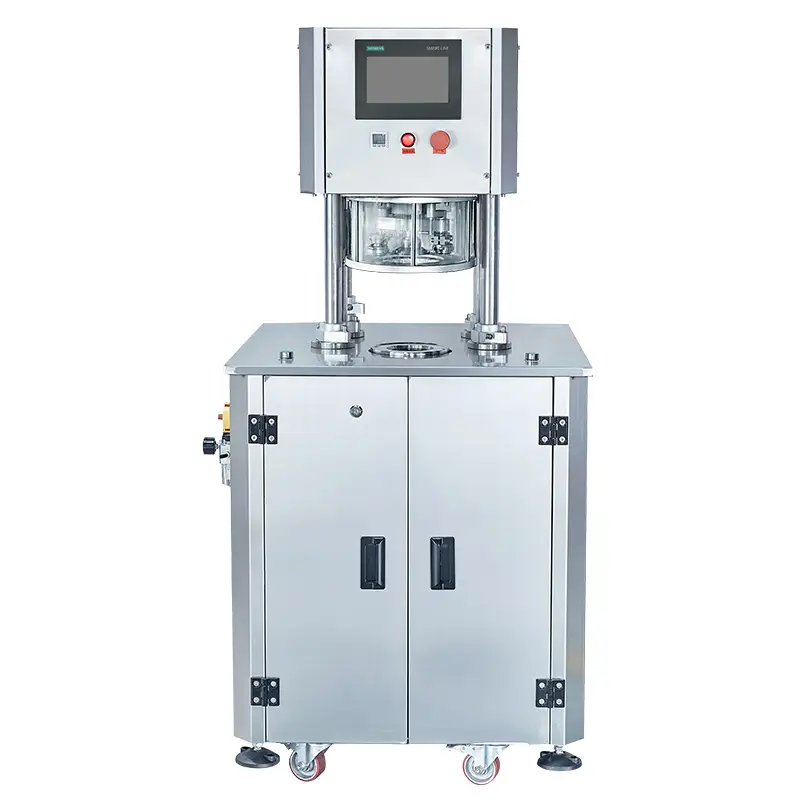
Semi-automatic vacuum and nitrogen flushing configuration.
View More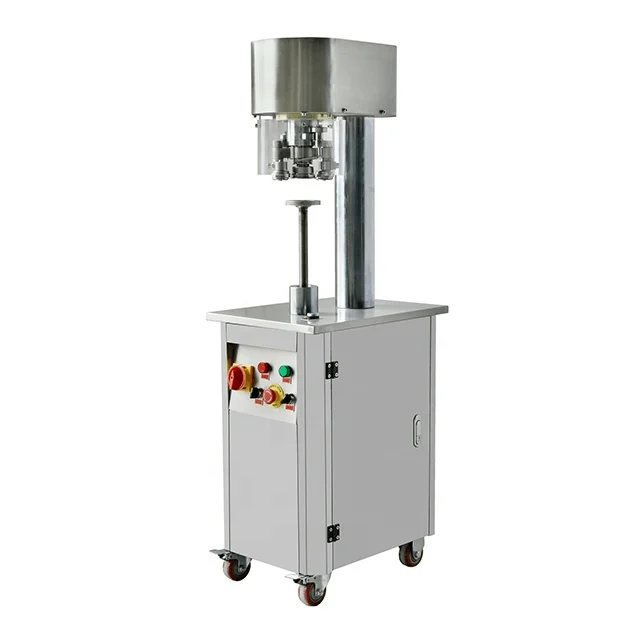
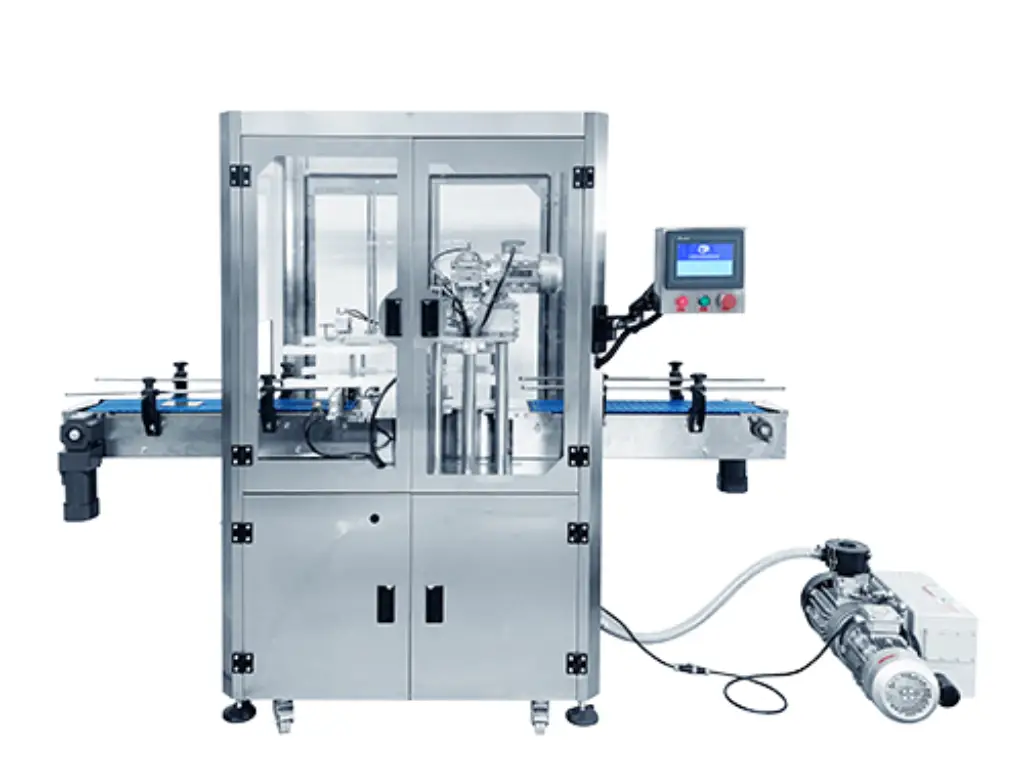
Vacuum, nitrogen filling and sealing in a closed chamber.
View More
Fully automatic round can sealing for continuous production.
View More
Nitrogen-assisted can sealing for nuts packaging.
View More| Machine Types | Applicable Industries | Scenarios | Benefits |
|---|---|---|---|
| Negative Pressure Vacuum Tin Can Sealing Machine | Food & Beverage, Pet Food | Pre-cooked meals, soups, sauces | Vacuum sealing; review retort requirements |
| Aluminum Foil Induction Sealing Machine for Screw Caps | Food, Cosmetics, Pharmaceuticals | Bottles and jars with foil-lined caps | Induction foil sealing |
| Semi-Auto Vacuum & Gas Nitrogen Flushing Round Can Seamer | Coffee, Food & Beverage | Coffee beans, sauces and craft production | Vacuum and nitrogen flushing |
| Semi-Auto Canning Seamer | Small-batch Food & Beverage | Jams, preserves and beverages | Semi-automatic operation |
| Fully Auto Nitrogen Filling Vacuum Can Sealer Machine | Food Processing | High-volume vacuum and nitrogen canning | Enclosed vacuum and nitrogen process |
| High Volume Fully Auto Round Can Seamer Machine | Beverage and Food Manufacturing | Continuous round-can production | Automatic feeding and double seaming |
| Nitrogen Gas Can Sealing Machine for Nuts Packaging | Nuts and Dried Foods | Nuts and oxygen-sensitive dry products | Nitrogen-assisted sealing |
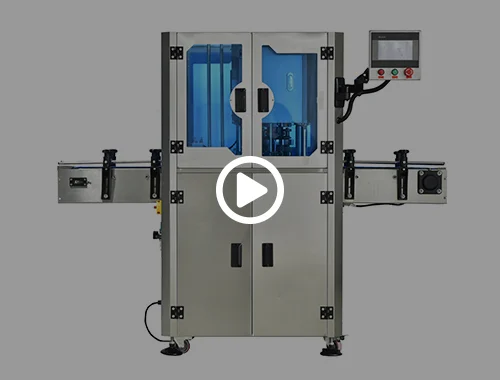
Explore automatic, vacuum and nitrogen filling sealing configurations.
View Automatic Can SealersDiscuss your production requirements, container specifications and project support with Deepack.
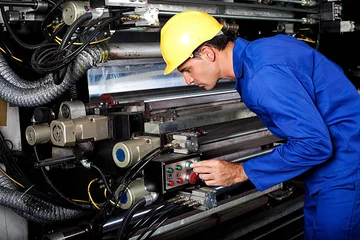
Select frame materials, product-contact surfaces and electrical components for the intended production environment. Confirm the material grades and component list in the machine specification.
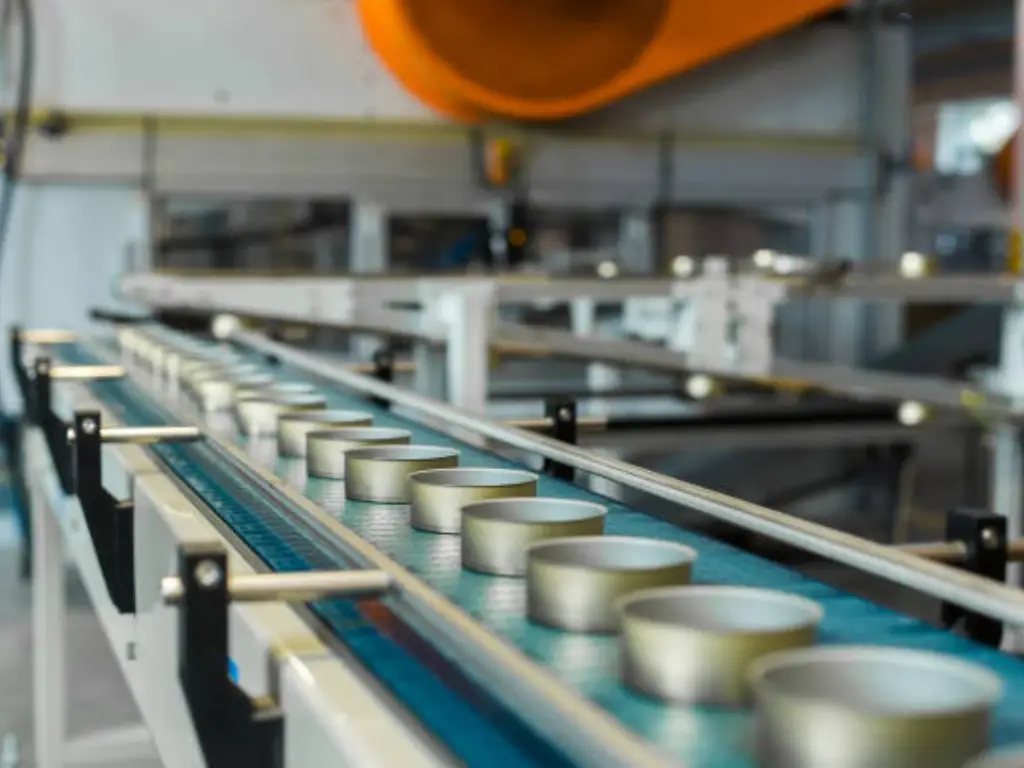
Plan the sealing station around upstream filling, downstream handling and the required output. Check the complete line balance and sample-running results before final acceptance.
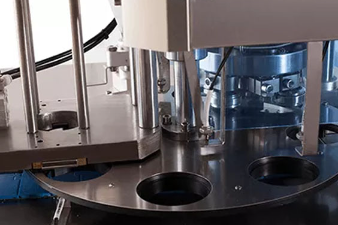
Review servo positioning, overload protection, emergency stops and guarding for the selected configuration. Controls and tooling must work together throughout the sealing cycle.
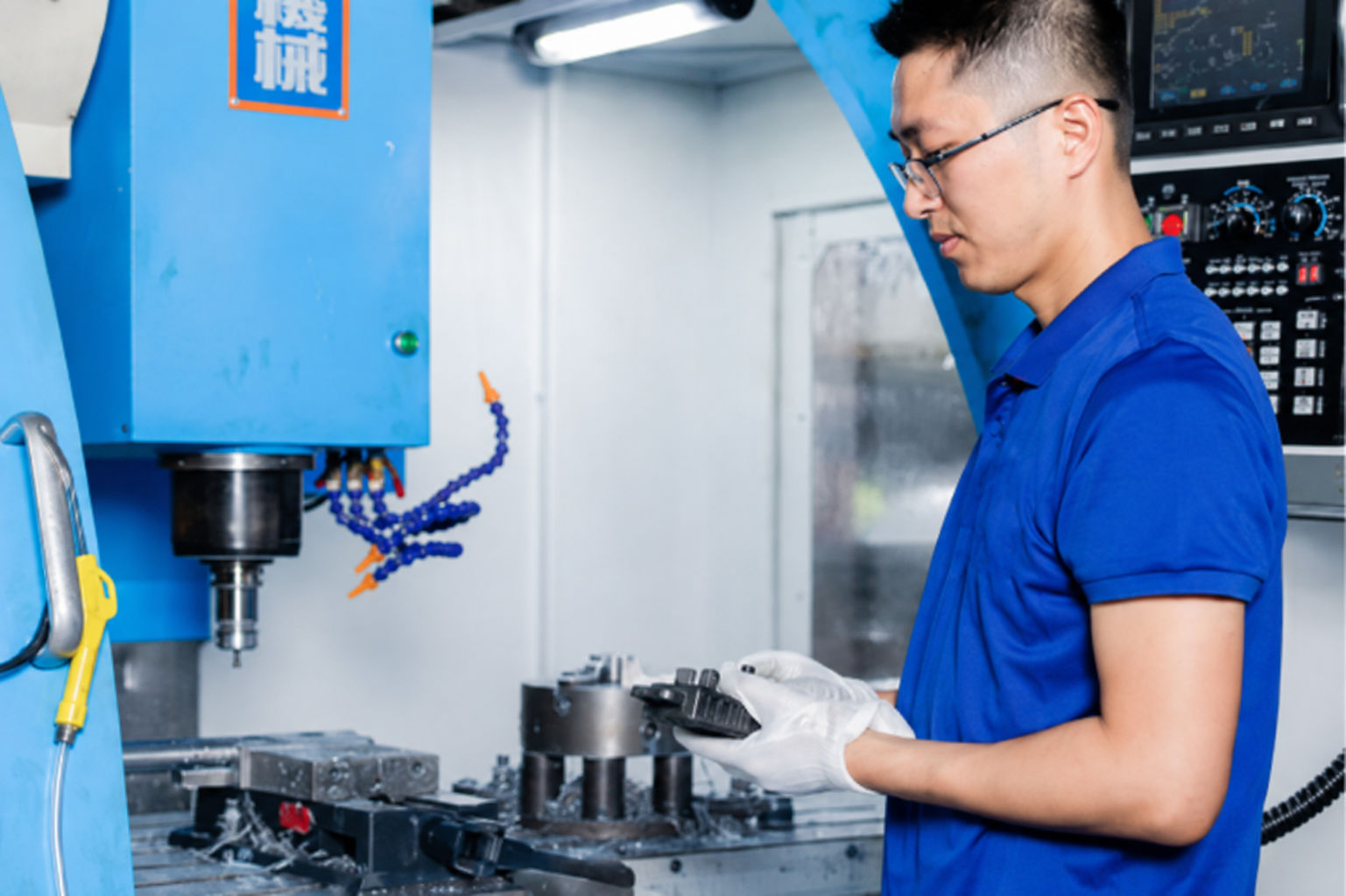
Define sample-running and seam-inspection requirements before acceptance. Review test records, operating checks and the cleaning and protection procedure before dispatch.
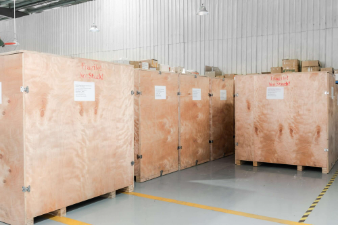
Define transport protection around the machine dimensions and shipping method. Secure the equipment inside its crate and protect controls and exposed surfaces against movement and damage.
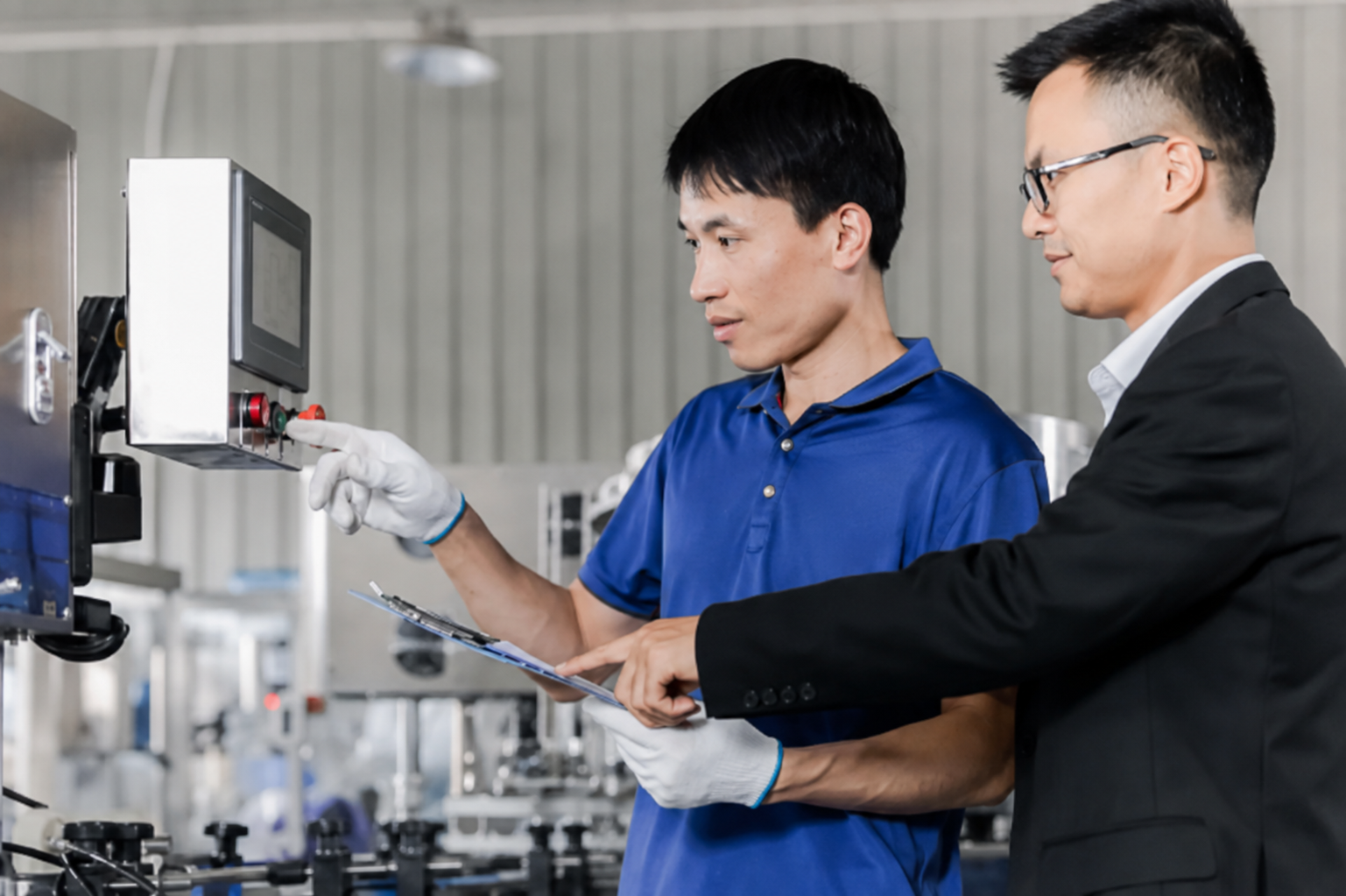
Discuss installation guidance, operator training, troubleshooting and spare parts with Deepack. Confirm the service scope and warranty terms in the project quotation.
Reference document thumbnails — preview content.
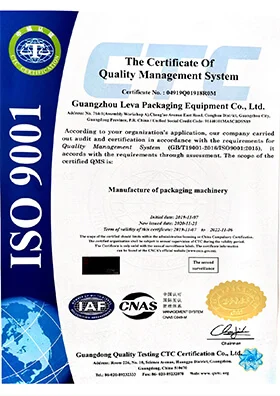
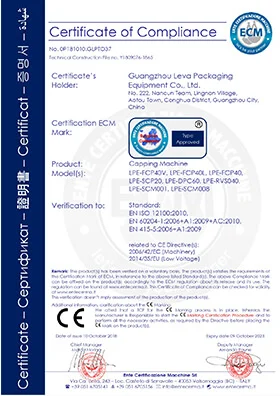
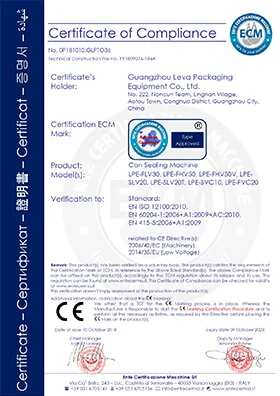
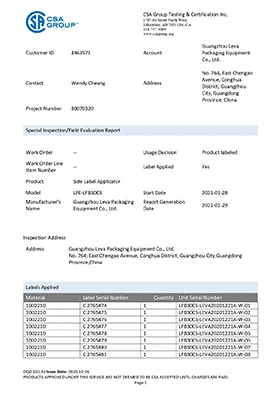
Discuss your container, lid and sealing requirements with Deepack.
Consult Deepack Experts For More Details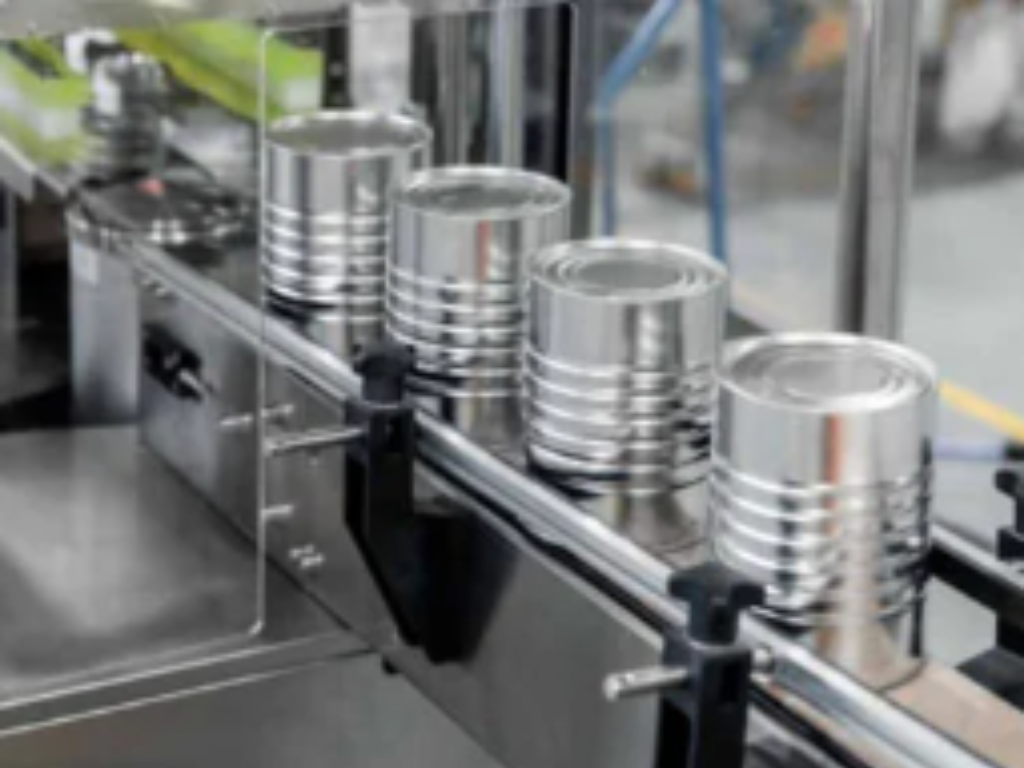
The base plate supports the container and positions it against the chuck during seaming.
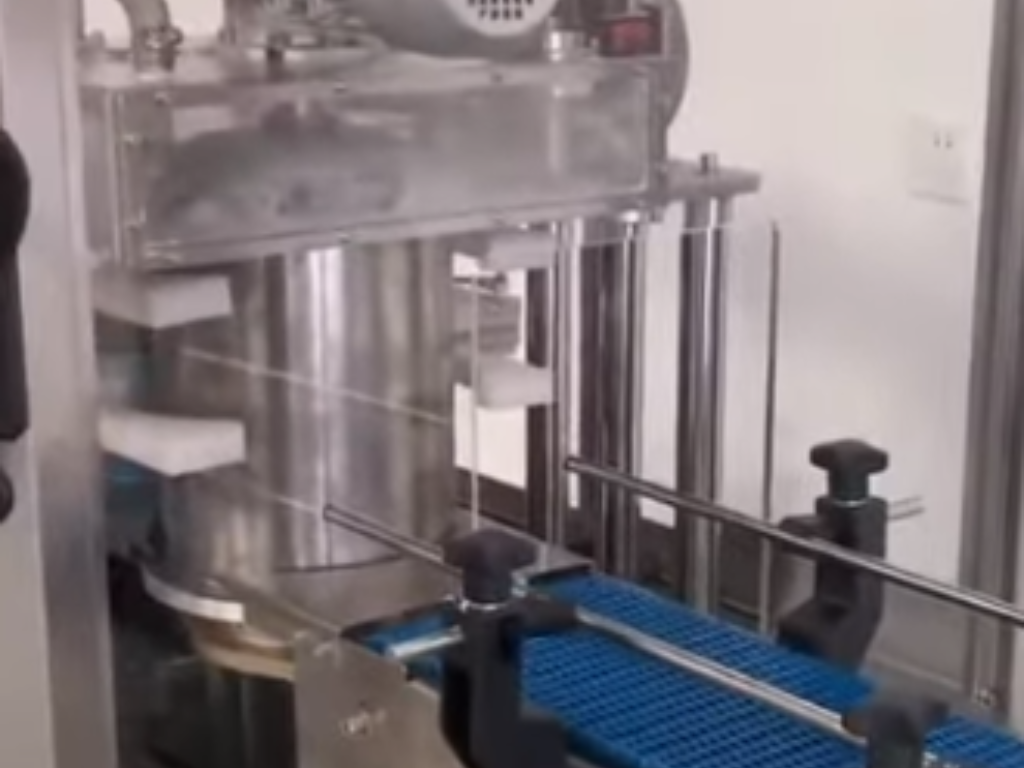
The enclosed chamber contains the sealing process in vacuum and gas-flushing configurations.
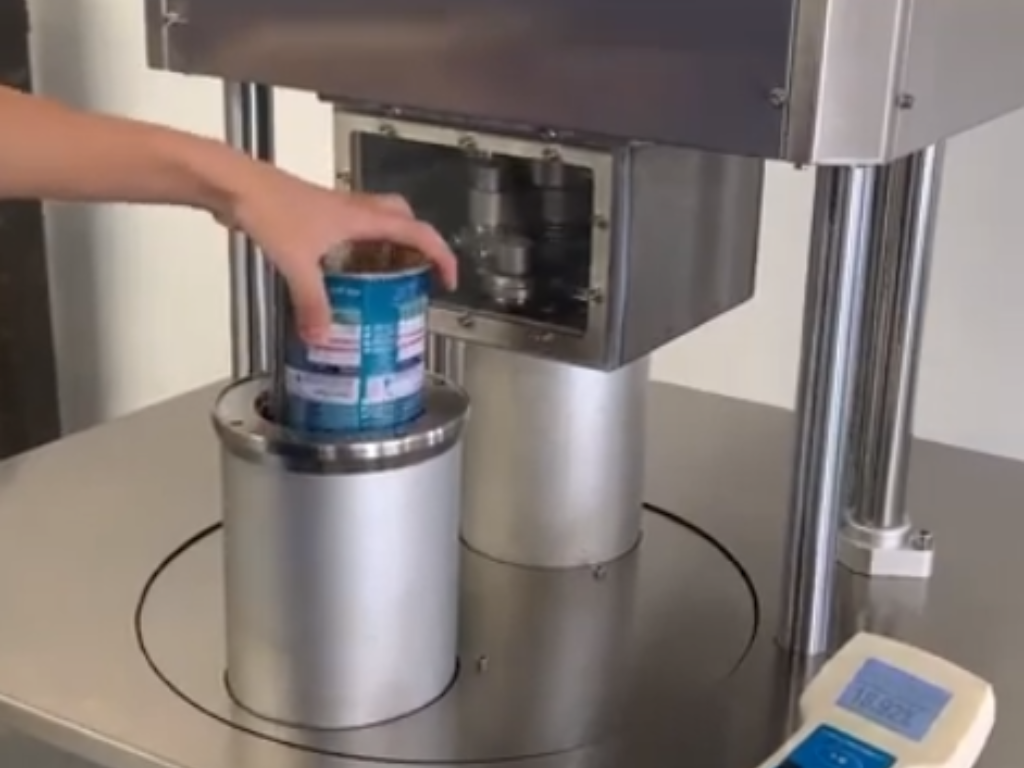
The vacuum system removes air before the configured gas-filling and sealing stages.
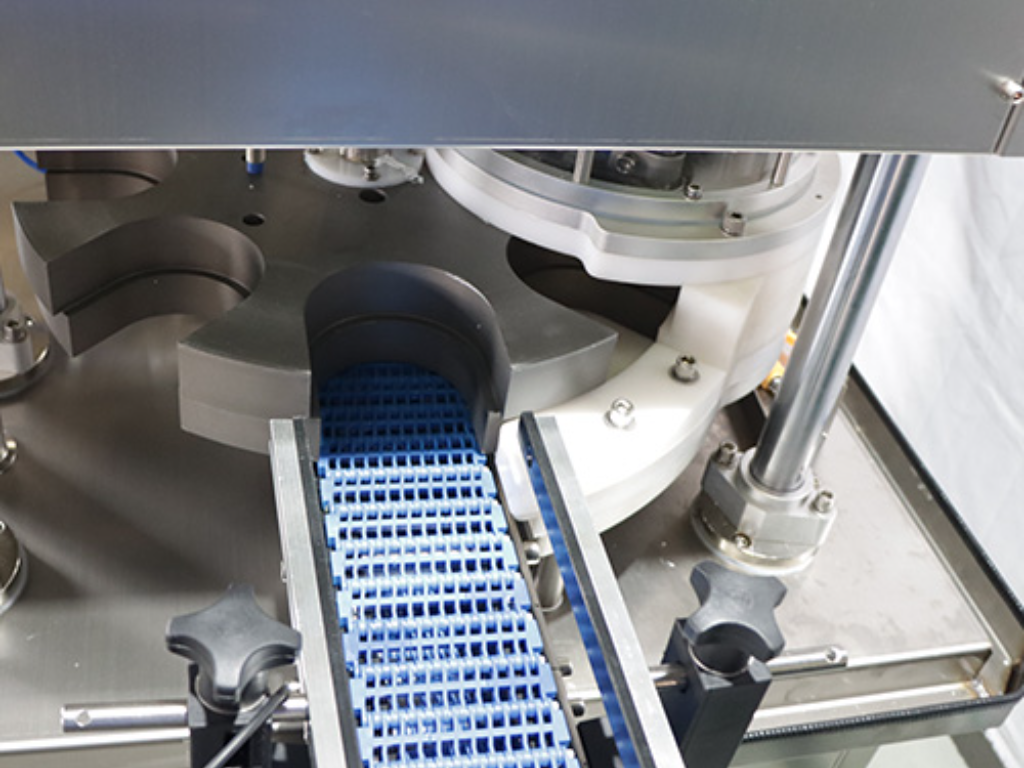
The chuck supports the lid against roller pressure. Its profile must match the can and lid.
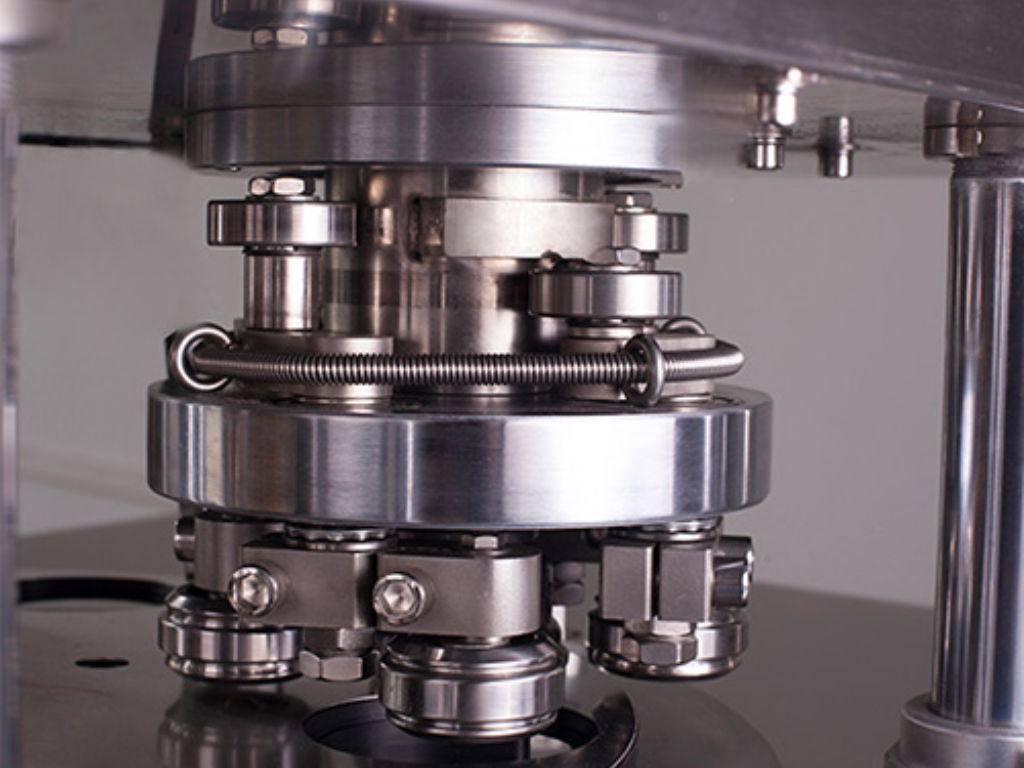
The roller profiles form and compress the interlocking layers of the double seam.
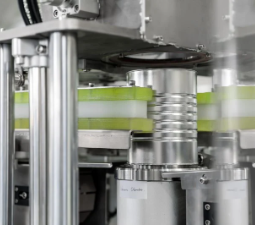
The base plate lifts and supports the container against the chuck. The lid and body must be aligned before the rollers engage.
Vacuum and nitrogen flushing are optional process configurations, selected according to the product and packaging requirements.
The lid curl and body flange are then joined through the two roller operations that form a double seam.
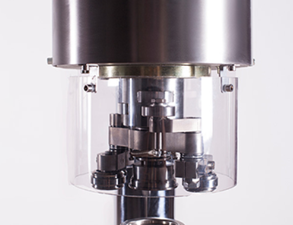
The first-operation roller turns the lid curl around the body flange, forming the interlocking cover and body hooks.
Correct first-operation adjustment is important: a loose or overly tight first operation cannot simply be corrected by increasing second-operation pressure.
At this stage the layers are interlocked, but the seam still needs final compression.
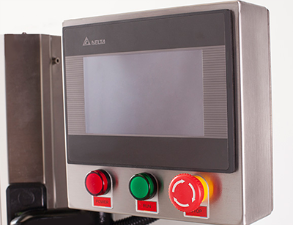
The second-operation roller compresses the interlocked layers into the finished double seam. The sealing compound already present in the lid helps close the small spaces within the seam.
Roller profile and position, chuck fit, base-plate pressure and container dimensions all affect the finished seam. Check seam measurements against the can and lid specification.
A can seamer mechanically joins a lid to a round container. Matched tooling forms and compresses the seam around the rim; the required configuration depends on the can, lid and packaged product.
Typical applications include dry foods, powders, nuts, sauces and beverages. Review the product and container samples before choosing the sealing process.
Compare output at the intended can size, seam quality, changeover requirements and operating stability. The agreed machine specification and sample trials should establish the acceptance criteria.
Compatibility depends on the selected model and tooling. Provide the container material, diameter, height and lid drawing so the chuck, base plate and roller profiles can be checked.
The range includes semi-automatic and automatic configurations. Confirm whether can feeding, lid placement, sealing and discharge are automatic for the proposed machine.
Changing container size may require replacement tooling and mechanical adjustments as well as control settings. Confirm the change parts and changeover procedure for each planned format.
Discuss installation, operator training and safety instructions with Deepack when defining the project. The scope and delivery method should be stated in the quotation.
Lead time depends on the model, customization, tooling and agreed testing. Contact Deepack for a project-specific production and shipping schedule.
Contact Deepack with your can dimensions, lid type and target output.
owen@deepackmachinery.comWhats App: +86 18037891343 · WeChat: +86 18037891343