Choose the level of automation around your actual tray, film, product and staffing plan. Ask each supplier to show the complete cycle, then compare observed output, changeover work and the equipment included in the quote.
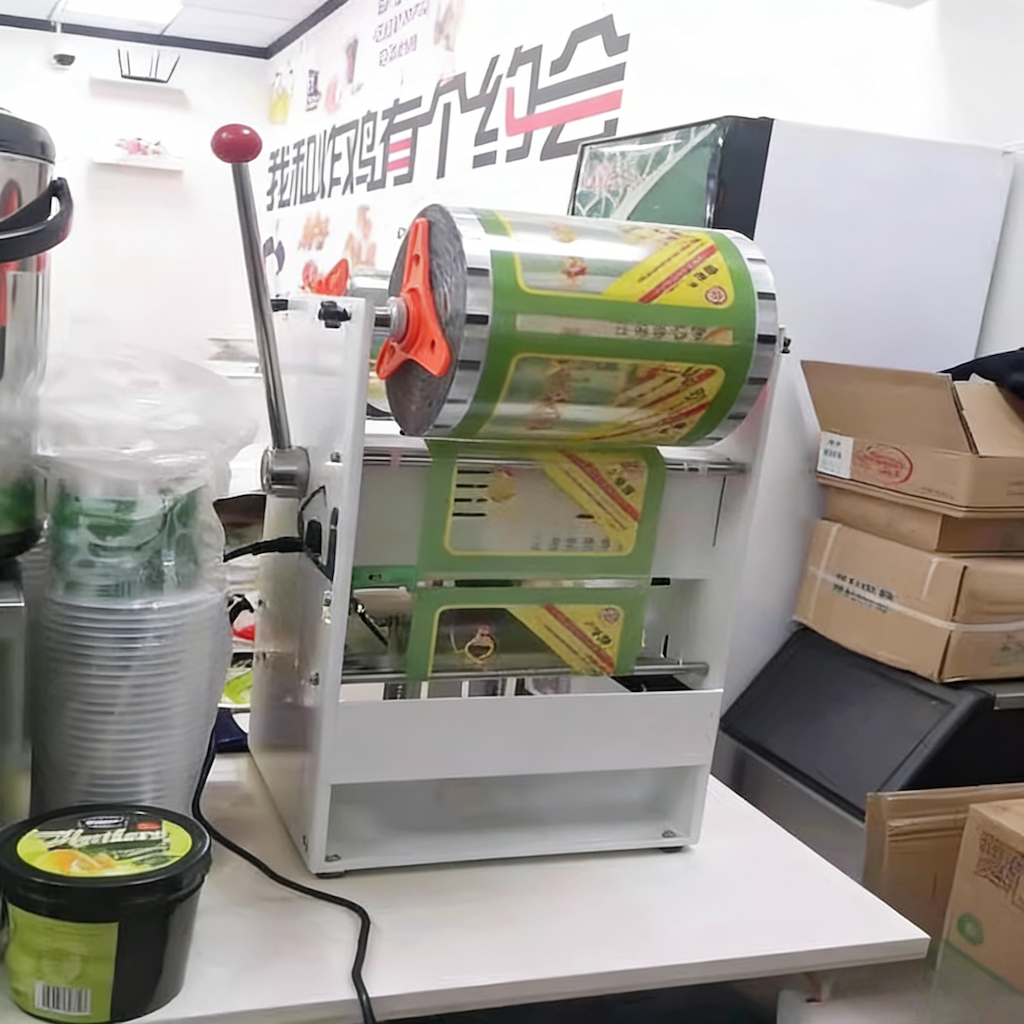
1. Break the cycle into tasks
Start with a filled tray on the preparation table and end with an inspected pack ready for the next step. For every task, ask whether an operator does it, the offered machine does it, or separate equipment is required. A machine that seals automatically may still need manual tray loading and removal.
| Task | What to confirm in a demonstration |
|---|---|
| Load the tray | Who positions each filled tray in the mold or infeed? |
| Present the film | How is the roll mounted, advanced and aligned? |
| Seal and cut | Which actions run within the machine cycle and which require operator input? |
| Remove and inspect | Who unloads the pack, checks the seal and handles rejects? |
| Change format | Which mold, tooling and settings change for another tray? |
Request a short recording of the complete cycle, not only the closing of the sealing head. Label each task on the recording before you compare two quotations.
2. When a manual-assisted workstation may fit
A compact workstation is worth reviewing when the operator can load and remove each pack within the required production flow, space is limited, or frequent sample and format changes matter more than a fully integrated line. The DP-FK-170A page shows one compact equipment path; its exact mold, film, electrical configuration and observed output must be confirmed with your pack.
Count all operator work: preparing filled trays, loading film, positioning the tray, removing the sealed pack and checking rejects. A nominal machine cycle does not include every one of these tasks.
3. When to review a more automated line
If the desired flow requires continuous infeed, consistent film handling or less manual discharge, describe which task needs to change. Ask for a layout that shows the sealer, conveyors, any auxiliary equipment and the handoff before and after sealing. Do not assume all of these are included because a listing says “automatic.”
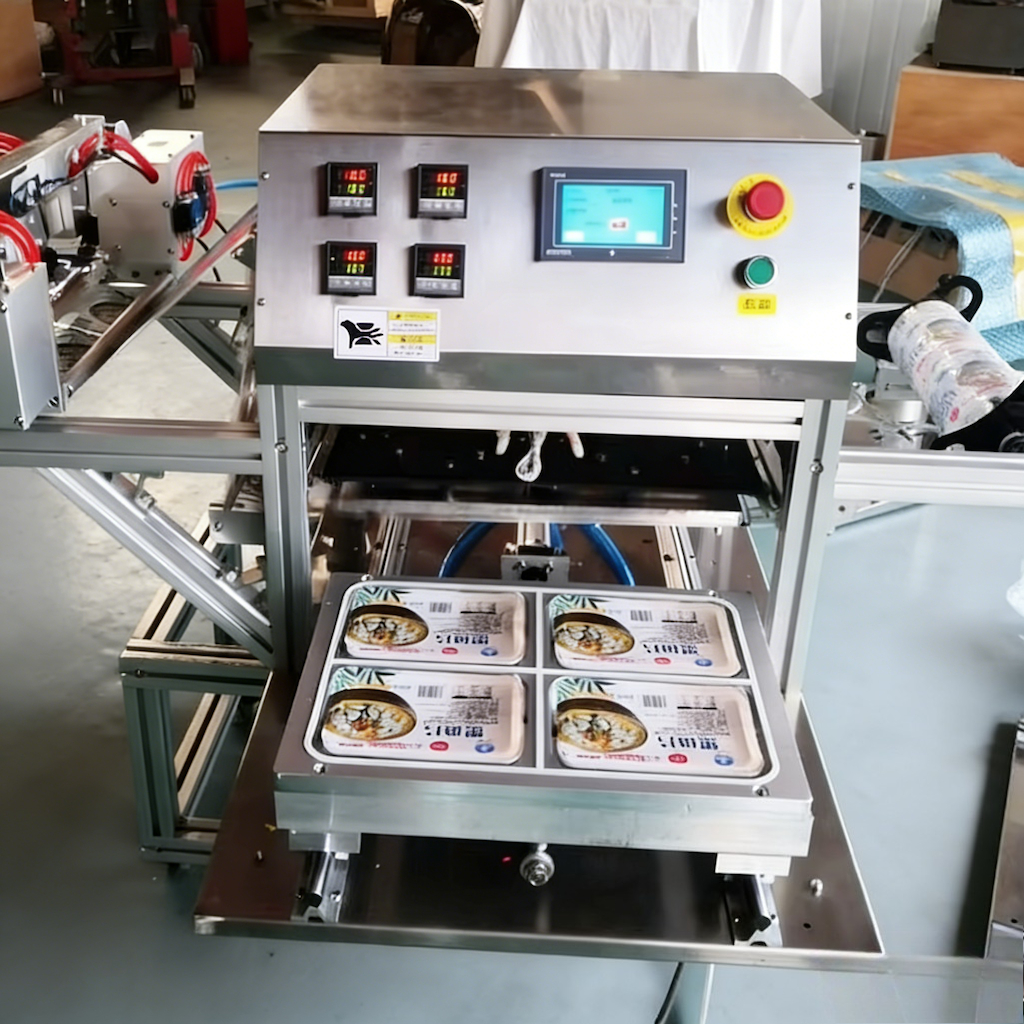
Review floor space, access for cleaning, available power and other utilities, operator positions and how the packs reach the next process. Confirm the exact proposed model and included modules in the final quotation.
4. Compare formats and seal checks on equal terms
Use the same approved tray and lidding film when comparing options. If you run several tray sizes, request a separate mold and changeover list for each machine. Record the film path, setup time, settings and seal checks for every tested format.
A faster machine is not a useful upgrade if a required tray cannot be run in its proposed mold, if the film has not been checked, or if a format change interrupts the intended schedule. Use your own pack acceptance criteria rather than accepting a sealed-looking sample as proof of performance.
5. Make the decision from a representative trial
Give each supplier the same tray, film, representative filled product, target output and operator assumptions. Observe a complete run and keep a written record of measured output, interruptions, rejects and the staffing actually used. Repeat with a second format if changeover matters.
Use the sample-trial record template to keep results tied to the offered machine and tooling. The better choice is the configuration that satisfies your pack and workflow requirements under agreed test conditions; it cannot be chosen from a generic speed figure.
Save this for your enquiry
Information to send before choosing a machine
- Approved tray and film samples, drawings and supplier references
- Filled product and conditions that may affect the sealing rim
- Required output by tray format and planned operating hours
- Operator count and which handling tasks should be automated
- All tray formats, changeover frequency and mold requirements
- Available floor space, electrical supply and other utilities at the destination
- Film, seal and finished-pack acceptance checks
- Quoted machine, accessories, training and service scope
These details support a configuration review; they do not establish performance or compatibility until the proposed equipment and representative samples are checked together.
Continue your equipment review
Explore Deepack tray sealing machines · How to Specify a Tray Sealing Machine: Tray, Film and Workflow
Need to discuss a specific pack? Contact Deepack or browse our current Alibaba listings.